What is a Budget Android Tablet?
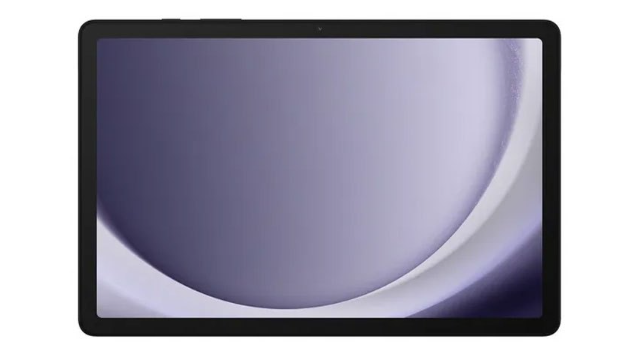
A budget Android tablet with 10.5-inch display, 64GB storage, and expandable memory is a low-cost tablet designed for basic tasks like web browsing, video streaming, and light apps. These devices typically run on entry-level processors with limited RAM.
Key Features
- Display: 10.5-inch LCD
- Storage: 64GB internal
- Memory: Typically 3-4GB RAM
- Battery: Claimed all-day battery
- OS: Android (often outdated version)
- Camera: Basic front and rear cameras
- Expandable: microSD card slot
Best Use Cases
Kids: Basic tablet for children under 8.
Travel: Disposable device for travel.
Basic Tasks: Light web browsing and video.
Secondary Device: Backup tablet.
The Problems
1. Performance is Mediocre
SlashGear found: “The base model comes with just 3GB of RAM and 32GB of ROM, and users have confirmed that it lacks real-world performance.”
2. No Software Updates
Budget Android tablets rarely get security updates. Your tablet will have vulnerabilities that never get fixed.
3. Screen Quality Disappoints
Budget LCD screens have poor viewing angles, low resolution, and inaccurate colors.
4. Battery Does Not Last
LifeTips found: “On budget hardware, battery saver modes simply throttle CPU to 600 MHz” – causing buffering and stuttering.
Pros & Cons
Pros:
- Affordable
- Good for basic tasks
- Expandable storage
- Portable
Cons:
- Slow performance
- No security updates
- Poor screen quality
- Bad battery life
- Camera is poor
- Build feels cheap
FAQ

Q: Is 64GB enough?
A: Android takes 10-15GB, apps take more. You will need the microSD.
Q: Can I use it for gaming?
A: Only basic games. Graphics-intensive games will lag.
Q: How long will it get updates?
A: Most budget tablets get zero meaningful updates.
Bottom Line
Budget Android tablets frustrate within months. The performance slows you down, the lack of updates becomes a security concern, and the screen feels cheap.
If you can, save up for something better. If not, know what you are getting into.